Back in 2009 the first ‘whisper’ video was uploaded to YouTube by WhisperingLife.
Whisper 1 – hello created a new content genre – relaxation whispers. Over the next 14 years it would evolve into ASMR – autonomous sensory meridian response – which means the tingling sensation that some people report feeling when they hear soft sounds like whispering or tapping.
There are thousands of videos where creators make sounds to induse tingles. Most of them still involve whispering. Many of them are role plays where they do things like give personal attention, recreate a spa day, or check you into a hotel.
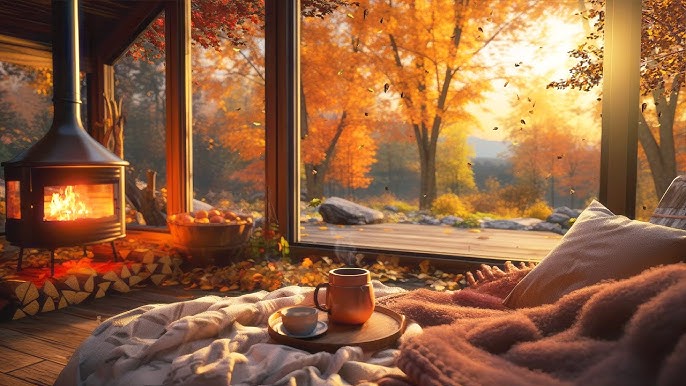
Many people – including ASMRtist WhispersRed – think it has therapeutic value, which should be recognised. With the world being so insecure and chaotic, having moments of calm – a soothing voice saying nice things – the ambience of cosy autumn night – is a way of staying balanced.
Some of the videos combine ASMR with established new age practices like reiki, tarot, astrology, massage, affirmations, engery healing, or chakra alignment. Some of the ASMRtists are in the wellness and beauty industries and some of them create their content as entertainment.
W Magazine has a video series of celebrities talking about their lives and careers while doing ASMR, while advertisers have been exploring its potential, not only by doing brand deals, but by making their own ASMR ads.
There’s a darker side – with videos that veer into horro, porn or domestic violence, but the creators are vigilant about protecting their brands.
Those brands have now expanded beyond YouTube and are close to being mainstream, being huge on social media apps like TikTok, creator apps like Patreon and relaxation apps like Headspace and Calm.
I tend to use ASMR to drift off to sleep or to study – my favourite sounds being rain and log fires. Before the internet, I would probably have relaxed or focused by listening to the real thing.
More ASMR:
 Kay Marquis